A hormonal imbalance, such as estrogen dominance, may be one piece of the puzzle impacting your overall health and wellbeing by presenting itself in various symptoms such as menstrual cramping, acne, weight gain, heaving bleeding, and low mood. Working with a functional practitioner will help address the root causes of your symptoms to create a functional nutrition care plan personalized just for you.
Let’s Talk About What Estrogen Is and Why Balancing Your Estrogen Matters
If you’ve ever noticed things like fatigue, stubborn weight gain, heavy periods, or mood swings and wondered “Could this be my hormones?”, you’re not alone. Your body’s hormones (especially estrogen) play a huge role in how you feel day to day. Before we dive into how to fix estrogen dominance, it’s important to understand what estrogen is and why imbalances happen. Estrogen is divided into three primary forms: estradiol, estrone, and estriol. Estradiol builds the endometrium for possible pregnancy. It is also beneficial for bone health, insulin sensitivity, healthy weight management, neurotransmitter balance, sleep, mood, concentration, memory, hair, skin, vaginal pH and lubrication, and cardiovascular health. Estrogen dominance may have adverse health consequences, which include endometrial cancer, gallstones, clotting issues, heavy bleeding, menstrual cramping, tender or fibrocystic breasts, mood disturbances, acne, fibroids, headaches, and weight gain. In cycling females, estradiol is predominantly made in the ovaries. Estradiol levels are highest during the ovulatory phase and lowest in the early follicular phase.
Learning How to Fix Estrogen Dominance
Learning how to fix estrogen dominance may be one piece of the puzzle impacting your overall health and wellbeing by presenting itself in various symptoms such as low energy, insomnia, weight gain, and low mood. Working with a functional practitioner will help to address the root causes of your symptoms.
In this article, we’ll walk through how to fix estrogen dominance step by step through functional nutrition, labs, and helpful nutrition and lifestyle tips towards the very end.
Here are Common Symptoms of Estrogen Dominance
Symptoms can show up in all sorts of ways, including:
- Heavy Bleeding
- Fibroid Growth
- Menstrual Cramping
- Tender or Fibrocystic Breasts
- Low Mood
- Fatigue
- Acne
- Headaches
- Weight Gain
- Clotting Issues
- Gallstones
Estrogen dominance may lead to low progesterone levels leading to an imbalance between estrogen and progesterone. Progesterone is our “relaxing chill pill” hormone. Balanced optimal levels of estrogen and progesterone mean low levels of anxiety, a calm mood, & better stress resilience due to progesterone’s interaction with GABA receptors.
Understanding Potential Root Causes of Estrogen Dominance
Understanding how to fix estrogen dominance starts with knowing it’s potential root causes. Estrogen dominance often isn’t “just about excess estrogen” it’s connected with things like:
1. Chronic Stress
2. Inflammation
3. Obesity
4. Poor Detoxification
5. Gut Dysbiosis (an imbalance in the gut microbiome)
6. Insulin Resistance
7. PCOS
8. Elevated Androgens
9. High Alcohol Intake
10. Endocrine Disrupting Chemicals (EDCs)
11. DHEA/Testosterone/E2 (Estradiol) supplementation
Identifying and understanding these deeper patterns helps create your whole body, root-cause protocol instead of simply treating symptoms.
Functional Labs
Understanding how to fix estrogen dominance may require functional labs to assess whether or not you are dealing with estrogen dominance or potentially another hormonal imbalance.
1. DUTCH Testing for Hormone Health (Urine/Saliva)
2. GI-MAP Stool Testing for Gut Health
Diet/Nutrition: Here’s What to Eat (and Why!)
Here’s what to eat (and why) when you are learning how to fix estrogen dominance through functional nutrition:
1. Cruciferous Vegetables: Foods like broccoli, cabbage, cauliflower, and brussels sprouts contain compounds like DIM that support estrogen metabolism. Diindolylmethane (DIM) has been shown to improve hormone health and metabolism by promoting the elimination of potentially harmful estrogen metabolites. This compound can be found in cruciferous vegetables or in supplement form here.
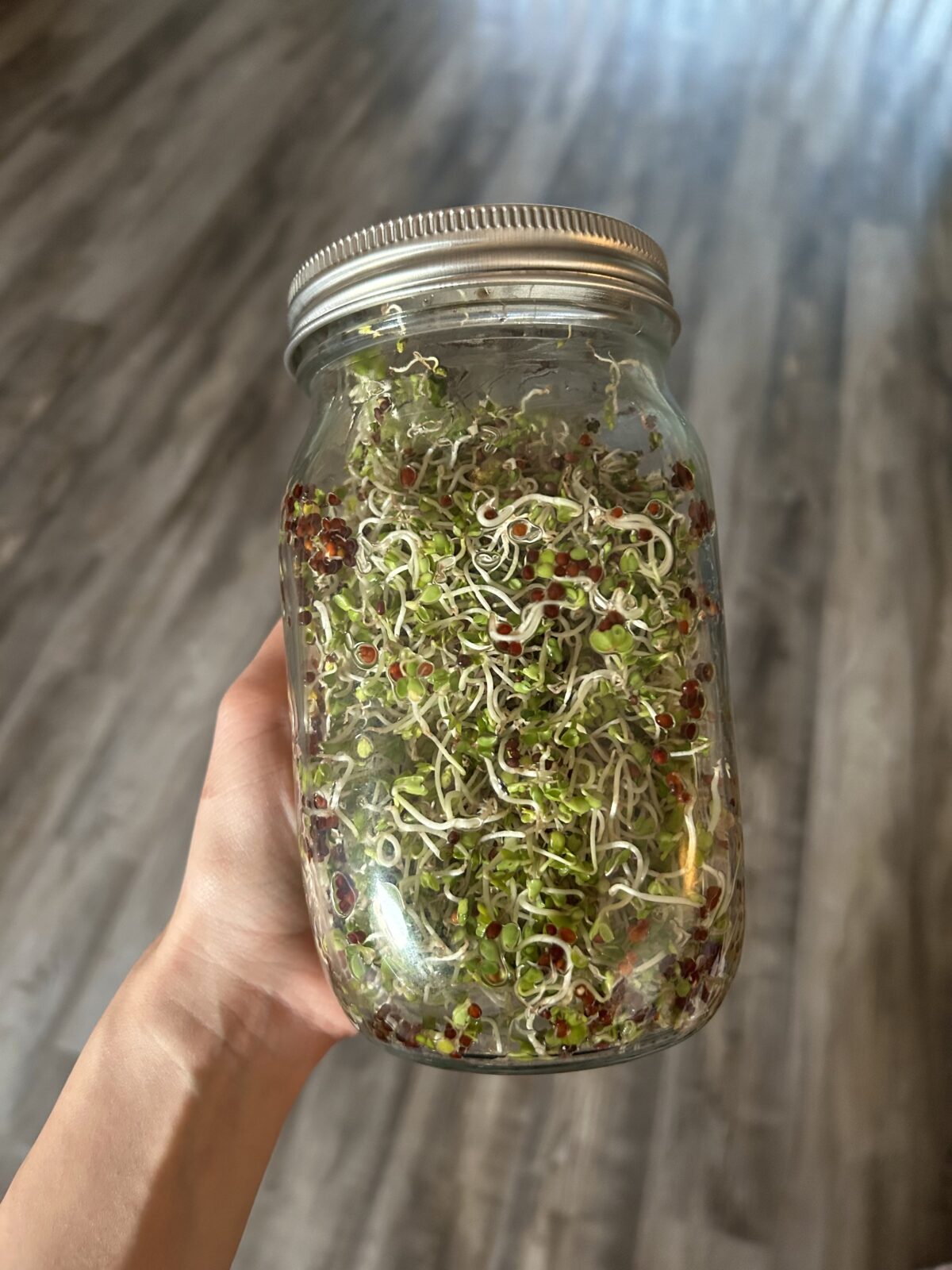
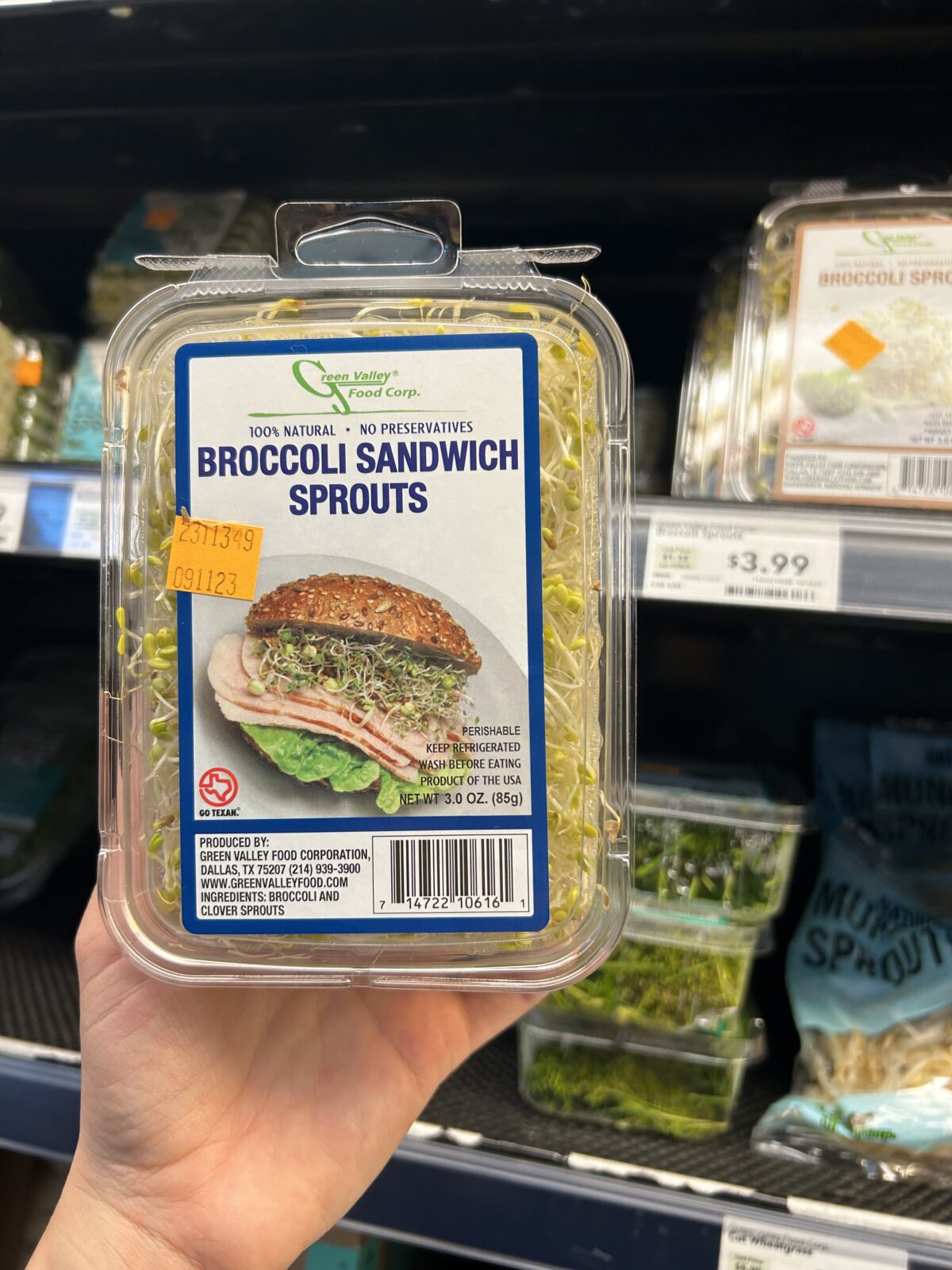
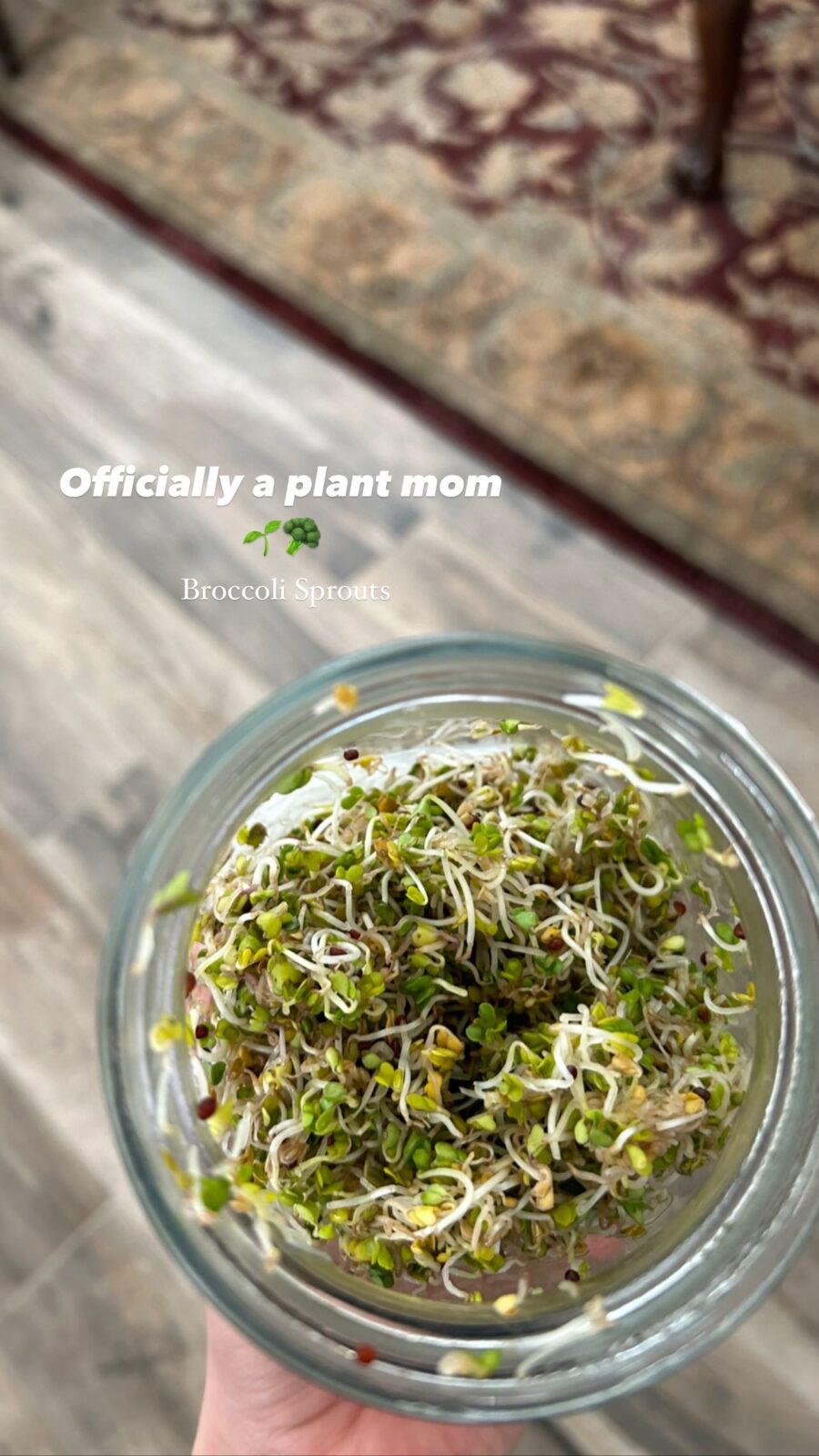
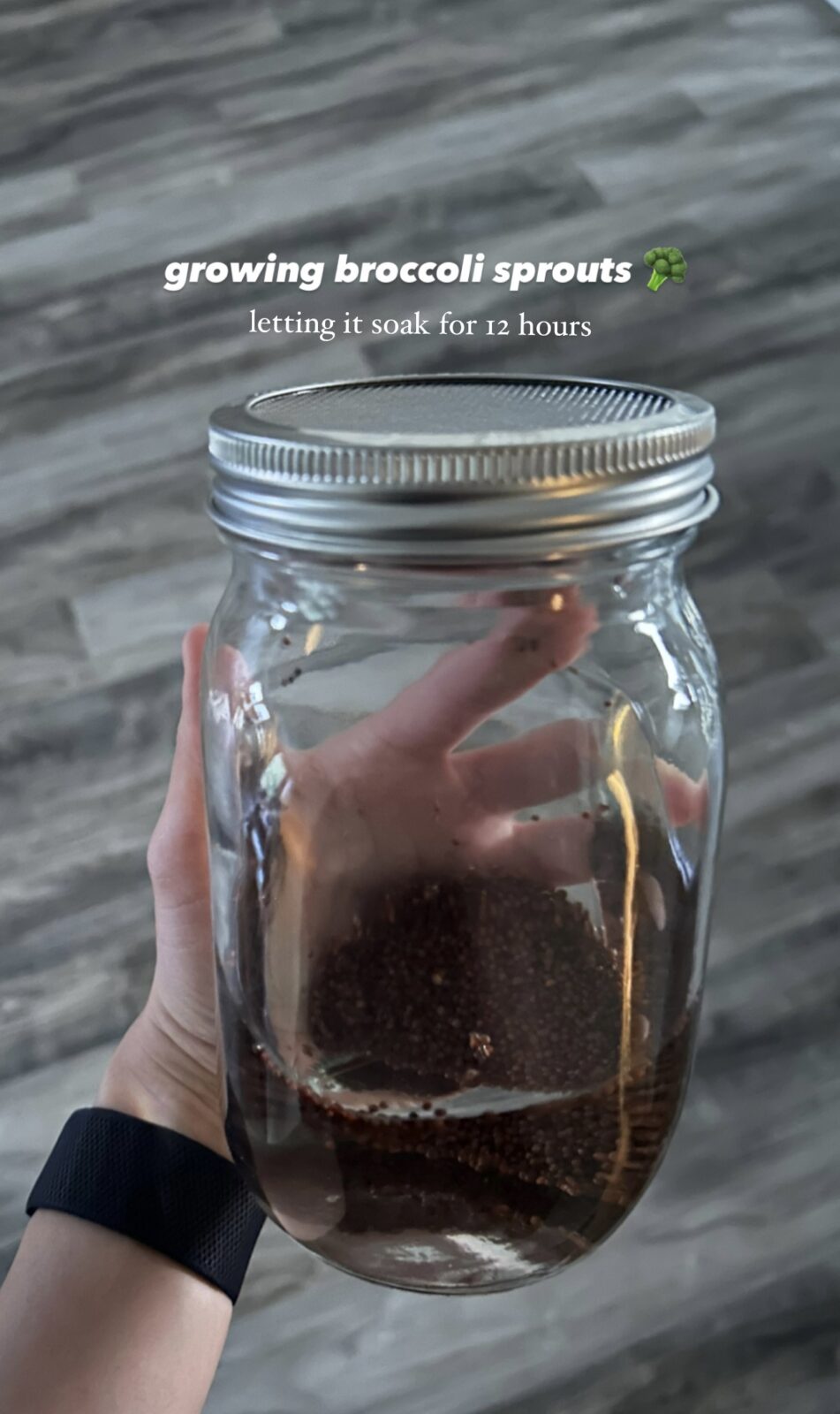
2. Broccoli Sprouts:
Tip: Keep a food journal so that pre and post meals you can become more in tune with your body and see how certain meals make you feel. Continuously check in with yourself to see how you are feeling, this is the type of subjective information that only you can know for yourself and make sure to share this information with the dietitian that you are working with!
Supplements & Herbal Support
Discuss supplements with your dietitian to determine which will be the best fit for you. Always consult your healthcare provider prior to beginning a new supplement.
Consider dosages, timings, and if should be taken with or without meals for optimal absorption.
Below are supplement and herbal support that support how to fix estrogen dominance, but always work with a functional medicine dietitian for tailored and personalized guidance.
1. Supplements:
2. Herbs:
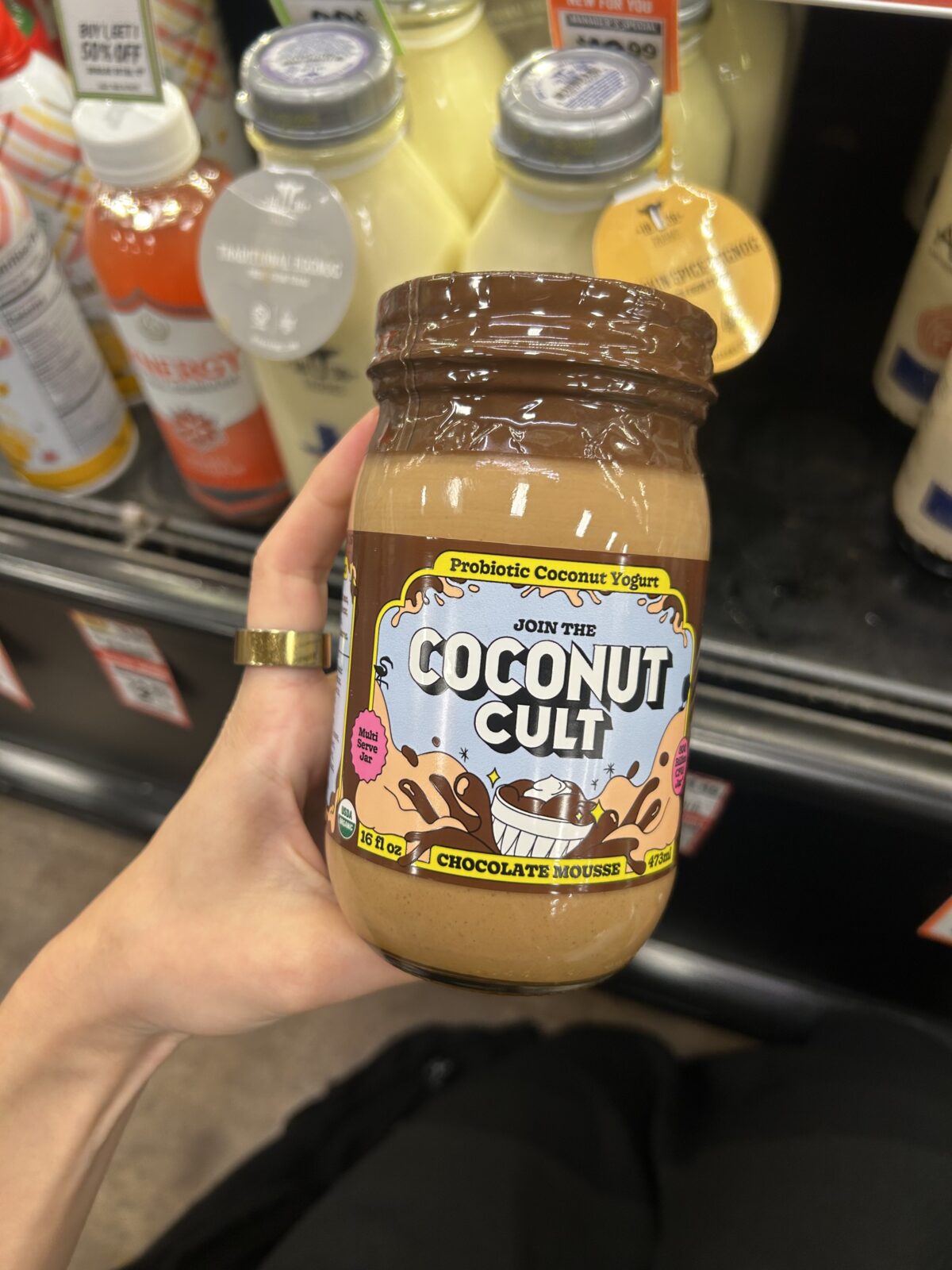
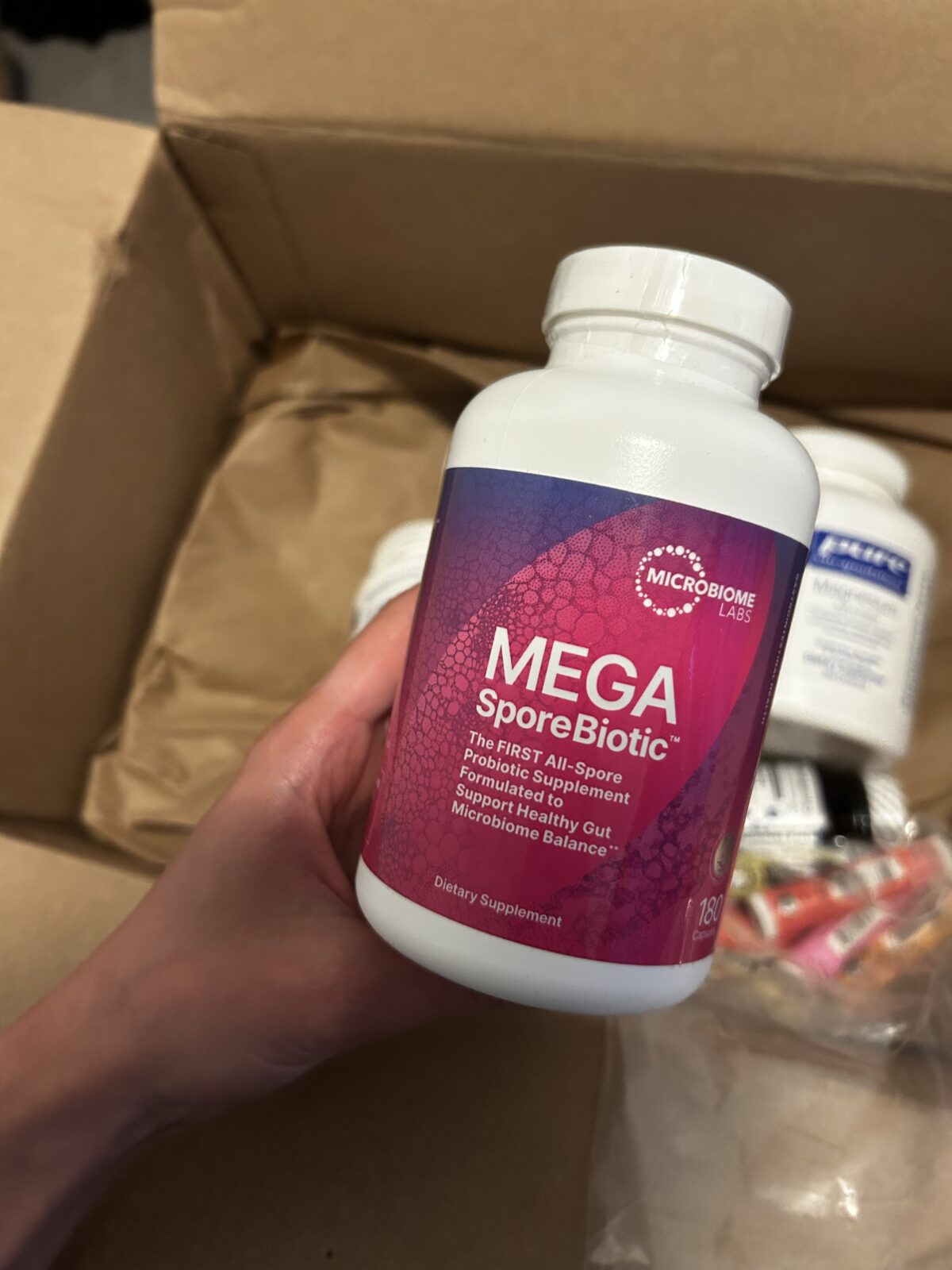
3. Probiotic Strains:
4. Loose Leaf Teas:
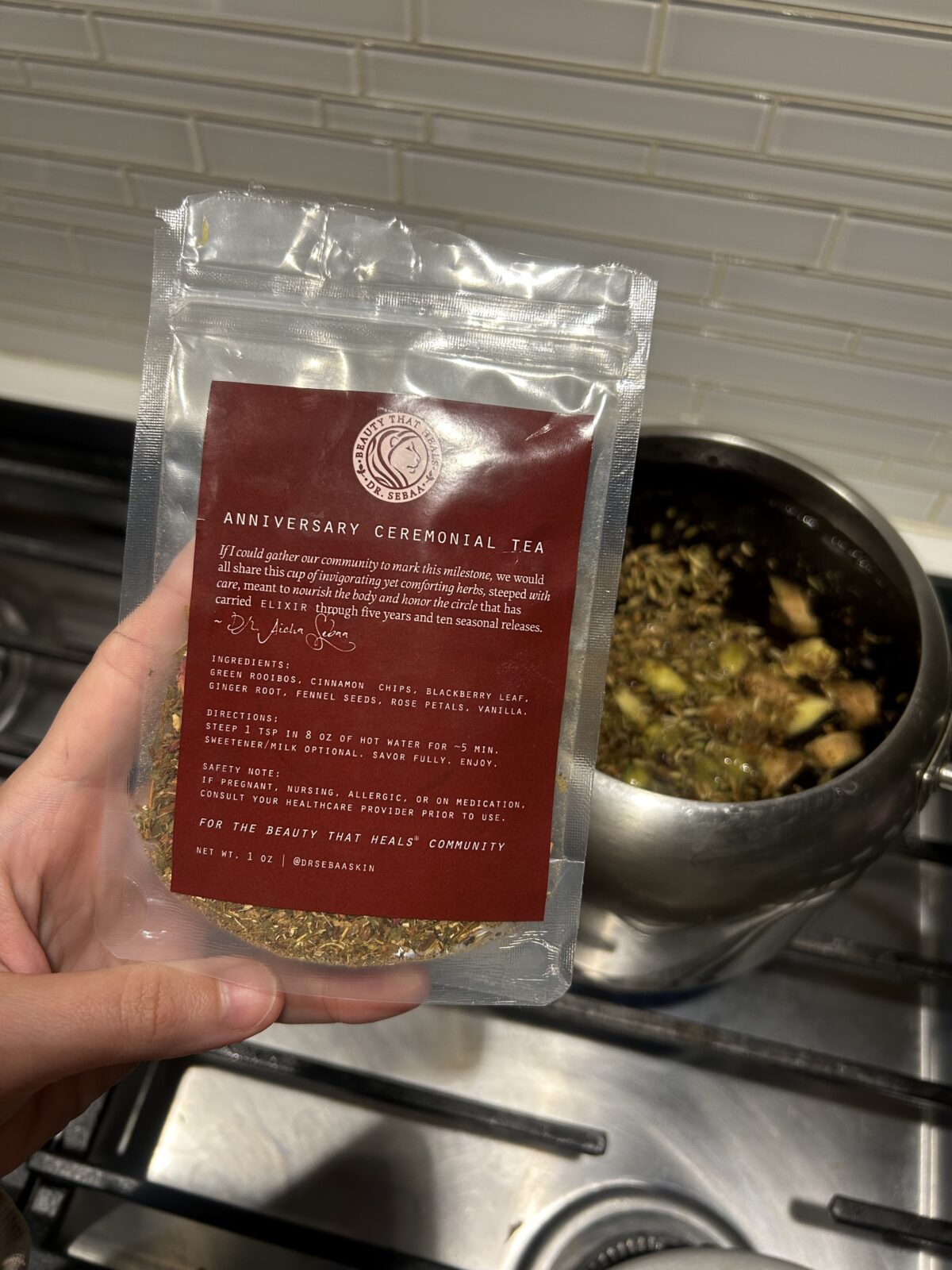
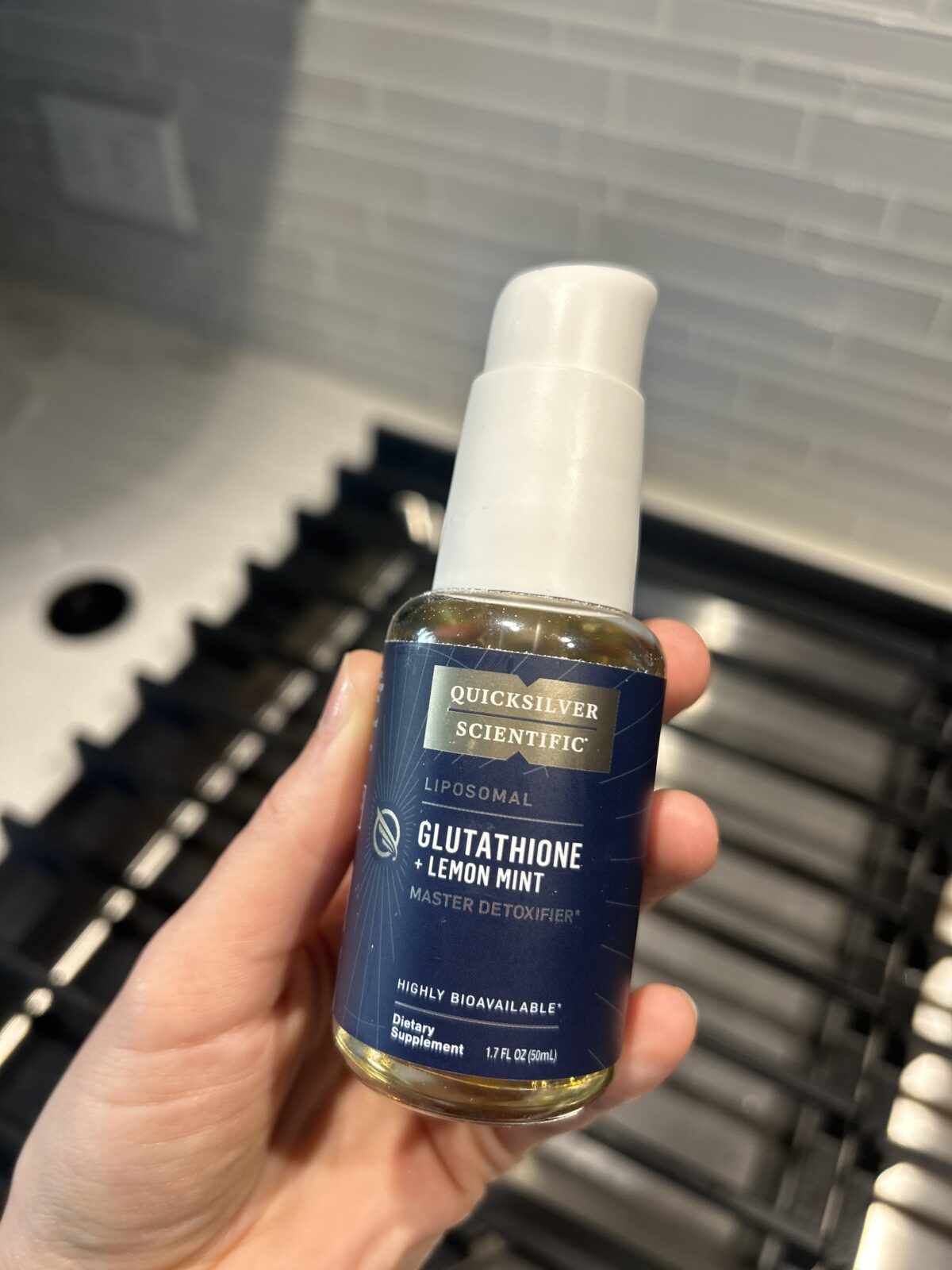
You may order from my supplement dispensary below through Fullscript’s catalog where each brand and product meets strict top quality standards. You can learn more about third party testing here.
My supplement dispensary is linked here and you do not need to be a client to place an order. (with 30% off!)
Stress
Sleep
Nutrition & Lifestyle Strategies That Support Estrogen Balance
Listed below are nutrition and lifestyle tips you can implement towards fixing estrogen dominance today.
1. Support Liver Detoxification
A healthy liver helps clear excess estrogen so it doesn’t recirculate. Think of this as clearing the “exit pathways” for hormones. By prioritizing supporting liver health, you are helping detoxify and eliminate excess estrogen via the Phase 1 and Phase 2 liver detoxification pathways in order to prevent estrogen from recirculating. Sluggish phase 1 and phase 2 liver detoxification impairs hormone clearance and contributes to estrogen dominance as well as PMS symptoms.
2. Eat Cruciferous Veggies
Foods like broccoli, cabbage, cauliflower, and brussels sprouts contain compounds like DIM that support estrogen metabolism. Diindolylmethane (DIM) has been shown to improve hormone health and metabolism by promoting the elimination of potentially harmful estrogen metabolites. This compound can be found in cruciferous vegetables or in supplement form here.
3. Increase Fiber Intake
Fiber keeps digestion moving and helps carry excess estrogen out of your body instead of letting it recirculate. Consume a variety of fermented foods to improve beneficial gut microbiome diversity and maintain a healthy gut microbiome. You may also choose to supplement with a high quality probiotic supplement.
4. Consume A Variety of Fermented Foods
Consume fermented foods to improve beneficial gut microbiome diversity and maintain a healthy gut microbiome. You may also choose to supplement with a high quality probiotic supplement. My supplement dispensary is linked here (with 30% off!).
5. Manage Stress & Optimize Sleep
Chronic stress and lack of sleep can throw your hormones into chaos. Gentle stress management and good sleep hygiene do more than you might think. Breath work sessions or checking in with yourself during the day to make sure that you are breathing deep abdominal breaths instead of shallow, rapid chest breathing.
6. Reduce Overall Toxin Exposure (Go Low-Tox!)
Products with synthetic fragrances, plastics, and pesticides can act like estrogen in the body so cleaning up your environment can improve hormone balance over time.
7. Reduce Caffeine Intake
Caffeine raises cortisol (over time) which ultimately will worsen the estrogen to progesterone balance by stealing resources away from progesterone production. (often called the “progesterone steal” effect) This doesn’t mean caffeine is “bad” or that you need to cut it out completely. The sweet spot is when you pair it with other helpful habits: pair it with food (breakfast! Include adequate high-quality protein sources and fiber to help support blood sugar levels!) and try to consume it earlier in the day so that your liver has time to metabolize it so that it’s out of your system by bedtime.
Gentle reminder: It’s important to be patient during this process of achieving hormonal balance which may take some time but will ultimately be worth it in the long run. You got this. Don’t stress yourself with an all or nothing mentality where you feel like you have to implement everything on this list all at once. Sometimes in order to reach the end goal, you need to take baby steps at first and build these habits bit by bit.
You’ve Got This (and You’re Not Alone)
Balancing hormones isn’t a quick fix. It takes time (often months!) and involves choosing nourishing habits and making small changes that add up over time.
Close